
Training alone reaps a 20% change in behaviour. Training plus coach leads to an 80% change in behaviour. So, we’ll get a much better return on investment from the training that our people attend if we add that extra element before and after. What does that look like? It’s simple: Before the training, ask them:
For leaders

Coaching Upwards ~ Leader as Coach: When to use a Coach Approach
Using a coach approach can help us to manage our boss as well as our employees, Coaching Upwards. Each time I have had a new boss, I have sat down with them in the first couple of weeks to talk to them about my needs of them. I usually start the conversation by saying something
Performance Management ~ Leader as Coach: When to use a Coach Approach
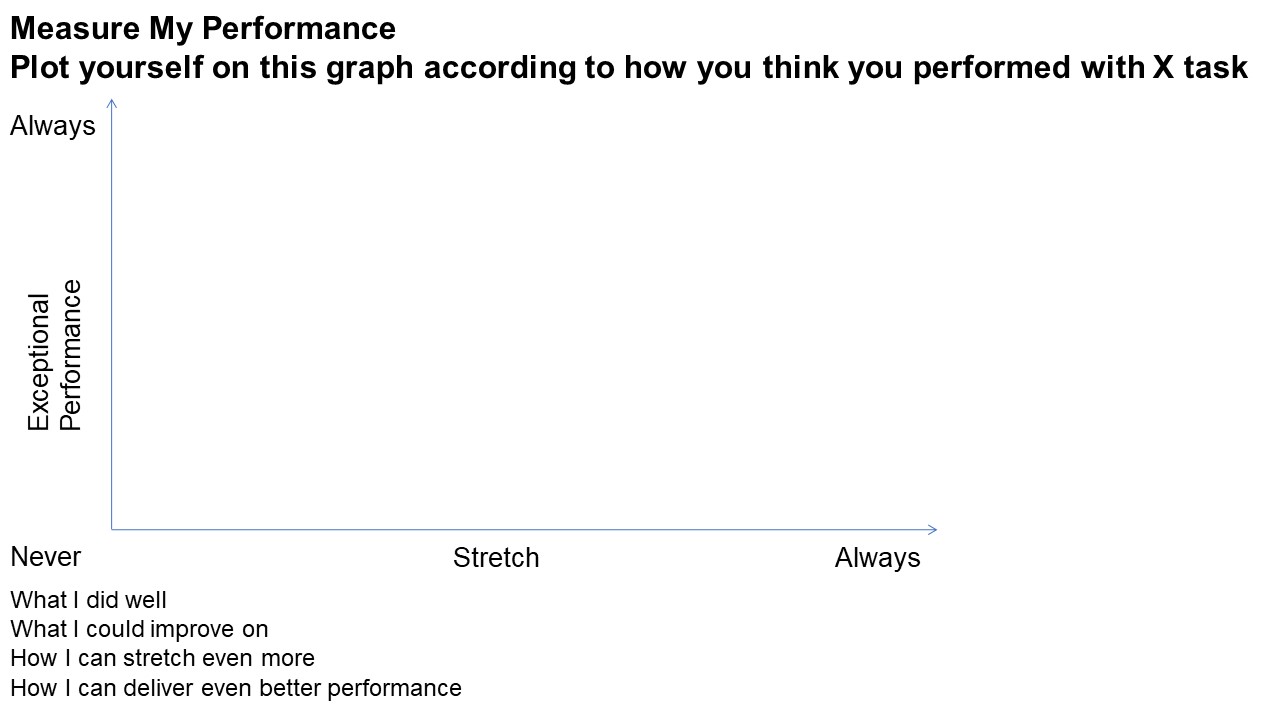
Coaching and performance management don’t go together. There, I’ve said it. Why not? Because, your employees may not trust you enough to tell you their real desires and needs, or share their vulnerabilities with you, if they think that this might be held against them in the performance management process. Ask Before You Tell Using

Leaving an Organisation ~ Leader as Coach: When to use a Coach Approach
You might think that once a person has handed in their notice and leaving, that’s it. You can’t afford to waste your precious time on them, when you need to look forward to finding their replacement and getting them trained up. But wait. This person might be a great asset to you and your organisation,

Pacy Coaching – Be more Challenging
I’ve written before about pacy coaching. There’s an assumption that good coaching takes time, but I’ve experienced great, challenging coaching (as coach and as client) in a 20 minute session. I’m learning all the time about what keeps the momentum going; here’s what I now know: CONTRACT Cut to the chase Ask permission to interrupt

Career Change ~ Leader as Coach: When to use a Coach Approach
One of your team members appears to be disengaged and bored with his role. He’s very capable, but his heart just isn’t in it anymore. You’ve been doing what you can to motivate him, but you haven’t managed to find that sweet-spot in your team that would make the most of his strengths, his passions

Coaching for Change in Role ~ Leader as Coach: When to use a Coach Approach
Often in organisations, the scope and scale of a person’s role can change. That may be part of a reorganisation so not necessarily welcome, or, more welcome, to give the employee extra capacity to learn and grow. As this person’s leader, we may need to teach them first, before we can use more of a

Re-joining the Workforce ~ Leader as Coach: When to use a Coach Approach
Maternity and paternity returners benefit hugely from coaching. They’ve been through a massive change, and that will affect their return to work. Those who have taken a sabbatical, study leave or long-term sick leave might also benefit from support as they are re-joining the workforce. Coaching for endings for those re-joining the workforce In the

Coaching Someone who is Moving Roles Internally ~ Leader as Coach: When to use a Coach Approach
One of your team members has found a great new role inside the organisation. Moving roles internally is a time to celebrate with them – not to feel sorry for yourself because you now need to find a replacement and train them up. Too many leaders hold onto their team members for fear of the

Coaching for Promotion ~ Leader as Coach: When to use a Coach Approach
Your team member has proven themselves to be a strong performer; so much so that they have earned a promotion. That means things will change. Not just their status and their pay-grade, but the expectations (yours, theirs and other stakeholders’). So coaching is important to support them through the change, to figure out all of

Coaching a New Joiner ~ Leader as Coach: When to use a Coach Approach
You have a new member on your team, new to the organisation even. How do you support and challenge them? If they don’t know how to do the job, then of course, training is the right intervention, at least to start with. But if they have already done the job somewhere else, and are motivated

Team Meetings ~ Leader as Coach: When to use a Coach Approach
So far, we’ve looked at one-to-ones and feedback that uses a coach approach. Let’s move on to team meetings. As always, contracting is really important, to ensure that everyone knows what they are there for. What’s the purpose of the meeting, what are the desired outcomes and what will success look like by the end

Corridor Conversations ~ Leader as Coach: When to use a Coach Approach
Coaching, contrary to popular belief, doesn’t need to be a one hour conversation hidden behind closed doors away from the work, it can be short and sweet too, ‘corridor conversations’. Tweet This! Afterall, as Teresa Amabile says, any progress is good progress. Here are three scenarios. Great opportunities for a bit

Giving Frequent Feedback ~ Leader as Coach: When to use a Coach Approach
Within your one-to-ones, and as you see things that merit it, you will want to give frequent feedback to keep your employee motivated and on-track. Creating and delivering a specific message based on observed performance is vital to effective feedback. You may have told a fellow manager, a co-worker or even your boss that he

One to Ones ~ Leader as Coach: When to use a Coach Approach
When to use a Coach Approach – Overview Previously, you’ve read here that it’s more difficult for a leader to coach his or her team members directly, due to the conflict of interest that you have: you want them to perform well in this role, where they may want to discuss a move to a

Ethical Dilemmas for Leaders As Coach: Supervision
Ethical dilemmas are just one of the things you might bring to coaching supervision. We’ve explored just some of the ethical dilemmas that you might face as a leader as coach. Other things might come into play that we haven’t discussed; keep an eye out for those as you are coaching. Something just doesn’t feel